Successful real estate investing is not determined by luck or perfect timing alone. While market knowledge, financial planning, and property analysis are essential, the mindset behind every investment decision often has the greatest influence on long term success. Investors who manage their emotions, think patiently, and make disciplined decisions are more likely to achieve consistent results than those who react to fear or excitement.
One of the biggest psychological challenges is controlling emotion during the buying process. It is easy to become attached to a property because of its appearance or location. Emotional decisions often lead buyers to overlook warning signs, ignore inspection findings, or pay more than the property is worth. Successful investors remain focused on facts, financial performance, and long term value rather than personal excitement.
Patience is another valuable quality. Real estate is rarely a business of instant rewards. Markets move through cycles, tenants come and go, and property values may fluctuate over time. Investors who expect immediate profits are more likely to make rushed decisions or abandon sound investments too early. Those who understand the value of long term planning are often better positioned to benefit from steady growth.
Confidence should also be balanced with humility. Every investor can make mistakes, regardless of experience. Successful investors continue learning, seek professional advice when necessary, and remain open to new information. They understand that careful research is more valuable than overconfidence or assumptions.
Fear can be just as harmful as excessive optimism. Some people hesitate to invest because they worry about market changes, financing, or unexpected expenses. Others become overly optimistic and believe every property will produce large profits. Both extremes can lead to poor decisions. A balanced approach allows investors to recognize opportunities while preparing for possible risks.
Discipline plays a major role in protecting investments. Experienced investors establish financial limits before negotiating and avoid exceeding them simply to complete a purchase. They carefully evaluate income, expenses, financing, and future maintenance instead of relying on hopeful projections. Walking away from an unsuitable property often demonstrates stronger judgment than completing a questionable deal.
Successful investors also understand the importance of managing risk rather than trying to eliminate it completely. Every investment carries uncertainty, but careful planning, professional inspections, market research, and adequate financial reserves reduce the likelihood of costly surprises. Preparation creates confidence because decisions are supported by evidence rather than guesswork.
Another important psychological habit is viewing setbacks as learning opportunities. Unexpected repairs, difficult tenants, or changing market conditions are challenges that many investors experience. Those who analyze what happened, adjust their strategies, and continue improving are better prepared for future opportunities than those who become discouraged by temporary setbacks.
Real estate investing rewards thoughtful decision making, patience, and consistent discipline. The ability to remain objective during both good and difficult market conditions often separates successful investors from those who struggle to achieve lasting results.
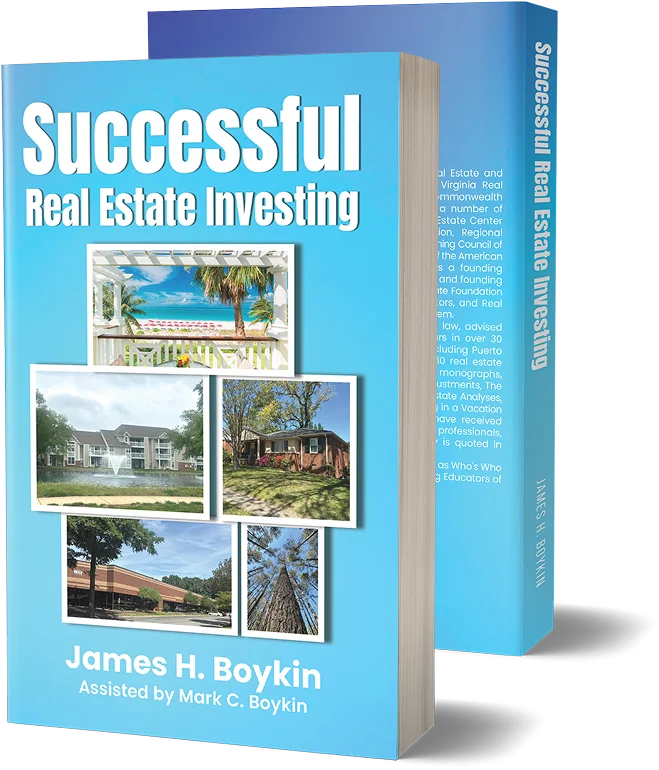
Successful Real Estate Investing by James H. Boykin explores the practical principles that support sound investment decisions, from property selection and financial analysis to negotiation, financing, and risk management. It provides readers with the knowledge needed to develop both the technical skills and the disciplined mindset required for long term success in real estate investing.