Real estate investing can create long term income and financial growth, but early mistakes can be difficult and expensive to correct. New investors often lose money not because real estate is a poor investment, but because they buy without enough research, underestimate costs, or depend on unrealistic expectations. Careful preparation can prevent many of these problems.
One of the most expensive mistakes is overpaying for a property. Beginners may become excited by appearance, location, or the fear of losing a deal. However, the purchase price has a direct effect on future cash flow and resale profit. Buyers should compare recent sales, review local market conditions, and calculate the property’s true earning potential before making an offer.
Another common mistake is underestimating repair and maintenance costs. A property may look acceptable during a brief viewing while hiding problems with the roof, foundation, plumbing, wiring, drainage, heating, or cooling systems. Professional inspections and written repair estimates help investors understand the real cost of ownership before closing.
Many new investors also rely too heavily on projected rental income. A seller may present the highest possible rent while ignoring vacancies, late payments, turnover costs, and unpaid utilities. Investors should examine actual rental records and calculate income using conservative assumptions. A property that is only profitable when every unit is occupied may carry too much risk.
Poor financing decisions can also damage an investment. Borrowing the maximum amount available may leave little room for emergencies. Adjustable interest rates, short repayment periods, balloon payments, or difficult refinancing terms can create serious pressure later. Loan terms should support the investment rather than depend on constant market growth.
Failing to keep cash reserves is another costly error. Repairs, legal expenses, tenant turnover, insurance claims, and vacancies can occur without warning. Investors who use all their available funds for the down payment may be forced to rely on expensive credit when problems arise. A separate reserve fund provides protection during difficult periods.
Location should never be judged by price alone. A cheap property in an area with weak rental demand, declining employment, high crime, or limited services may remain difficult to rent and sell. Investors should study the neighborhood, local economy, transportation, zoning, and future development before buying.
New investors sometimes ignore legal and administrative details. Title defects, unpaid liens, unapproved construction, zoning violations, unclear lease terms, and missing permits can create major expenses. Professional legal and title reviews are essential before ownership transfers.
Poor tenant screening is another mistake that can lead to unpaid rent, damage, disputes, and costly eviction proceedings. References, income verification, rental history, and clear lease agreements help protect the property and maintain stable income.
Finally, beginners often assume that real estate will become profitable quickly. In reality, strong investments usually require patience, regular management, accurate records, and continued maintenance. Investors should focus on sustainable performance rather than fast results.
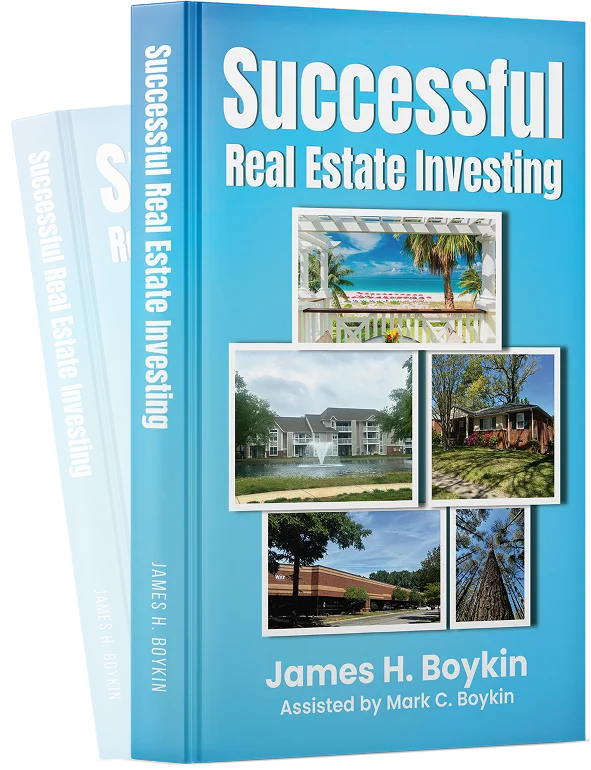
Successful Real Estate Investing by James H. Boykin gives new investors practical guidance on property selection, financial analysis, financing, inspections, negotiation, management, and risk reduction. The book helps readers understand the decisions that protect capital and support lasting success in real estate.