When most people think about real estate investing, they picture rental houses, apartment buildings, commercial properties or renovation projects. But there is another category of real estate where the asset can literally grow while you own it: timberland.
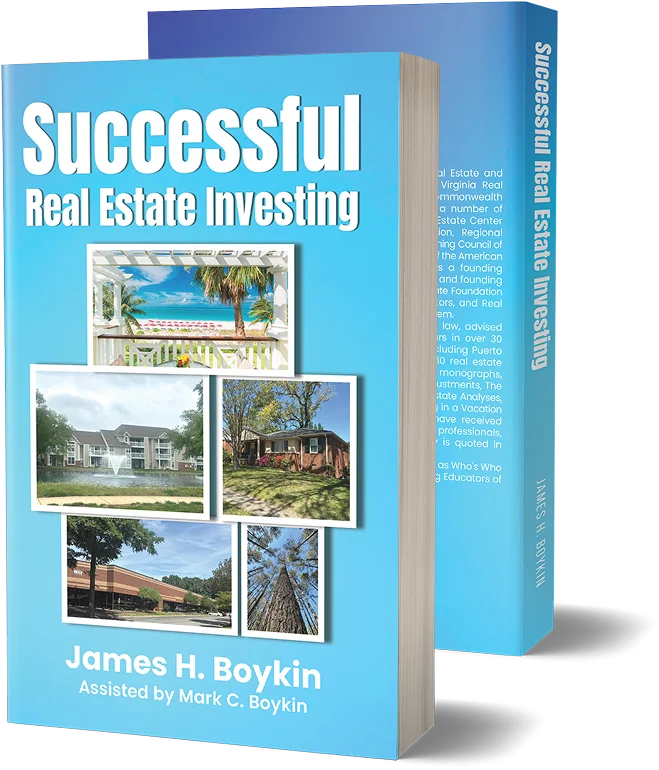
In Successful Real Estate Investing, author James H. Boykin explores timberland as a specialized, long-term investment strategy. Unlike a rental property that may generate monthly income, timberland typically requires patience, careful land selection, professional guidance and an understanding of forestry as well as real estate.
You Are Investing in Both Land and Trees
Timberland has two major components of value: the underlying land and the standing timber growing on it.
Boykin explains that, over time, trees move through different stages of growth before reaching sizes appropriate for various commercial uses. This makes timber fundamentally different from many other physical assets. With proper management, the biological asset continues developing while the investor owns the land.
But growing trees alone does not guarantee a profitable investment.
The property’s location, soil productivity, species of timber, accessibility, proximity to mills, wetlands, terrain and future harvesting costs can all affect economic value.
Due Diligence Goes Beyond the Property Line
Buying timberland requires a different kind of investigation than purchasing a house or apartment building.
Boykin encourages prospective investors to consider factors such as the tract’s site quality, existing timber inventory, access to the property, surrounding markets, environmental conditions and nearby processing facilities. A tract filled with valuable-looking trees may be far less attractive if harvesting and transporting the timber is difficult or expensive.
This is one area where professional expertise can be especially important.
A Consulting Forester Can Be a Valuable Ally
Just as a property investor might rely on an appraiser, inspector, attorney or contractor, timberland owners may benefit from working with a consulting forester.
Boykin describes the forester as an important resource who can help assess timber, advise on management, assist with harvesting decisions and support the owner in marketing timber for sale.
For an investor unfamiliar with forestry, that knowledge can be crucial. Misjudging timber quality, harvest timing or reforestation needs can have consequences lasting years.
Timberland May Offer More Than Timber Sales
The investment potential of woodland does not always end with harvesting trees.
Boykin discusses additional considerations such as government cost-sharing programs, possible property-tax benefits and leasing land to hunting clubs. These sources may help offset ownership or management expenses while the timber continues to mature.
After harvesting, however, responsible management continues. Reforestation is an important part of maintaining the productive capacity and future value of the property.
Patience Is Part of the Investment
Timberland is not a get-rich-quick strategy. Trees require years to grow, markets fluctuate, natural risks exist and successful ownership demands planning.
That long-term perspective is precisely what makes Boykin’s treatment of timberland so interesting. It expands the idea of real estate investing beyond buildings and demonstrates that opportunities can take many forms.
In Successful Real Estate Investing, James H. Boykin guides readers through traditional and specialized property strategies while continually emphasizing analysis, risk awareness and disciplined decision-making.
Can trees build wealth? Potentially but successful timberland investing begins by understanding the land, managing the forest wisely and giving the investment time to grow.