A beach house with an ocean view. A cabin in the mountains. A condominium overlooking a golf course.
It is easy to imagine the vacations, family gatherings and personal enjoyment such a property could provide. But once you begin calling that second home an “investment,” the questions change.
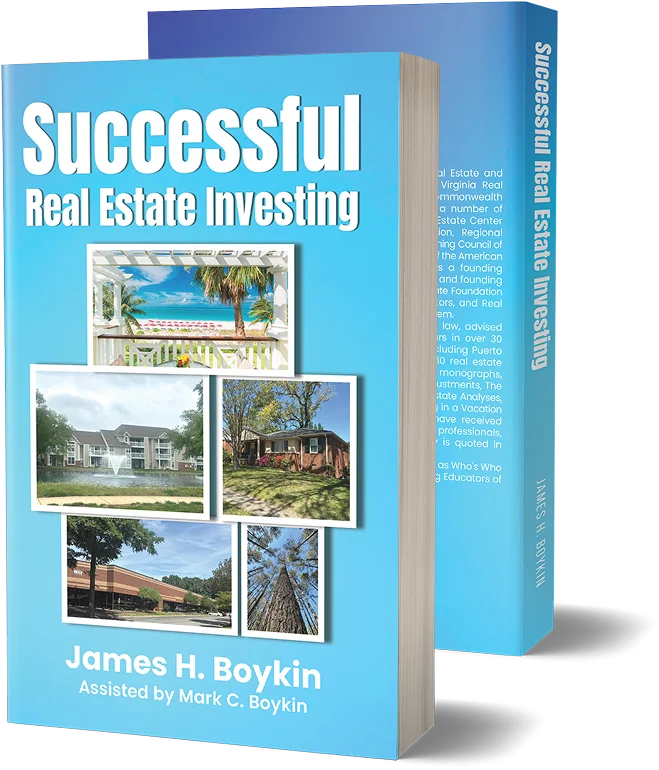
In Successful Real Estate Investing, author James H. Boykin encourages readers to distinguish between buying property primarily for personal use and buying it with financial performance in mind. A vacation home may be enjoyable, valuable and even income-producing but that does not automatically make it a strong investment.
Start With Your Real Purpose
Before buying a vacation property, ask a basic question: Why do I want to own it?
If your main objective is to have a reliable place for family vacations, emotional considerations may reasonably influence the decision. You may choose the location you love, the view you prefer or amenities that matter personally.
An investment property requires a different mindset. The buyer must think about demand, operating costs, potential rental income, resale prospects and how much capital will be tied up in the property.
Boykin’s discussion of vacation homes highlights the importance of location and demand, whether the property is in a mountain, oceanfront, golf or other destination market.
A Great Vacation Spot Is Not Automatically a Great Investment
A property can be wonderful to visit while producing disappointing financial results.
Seasonal demand can create uneven rental income. Maintenance may be more expensive in coastal or mountain environments. Management costs can rise when the owner lives far away. Furnishings, association fees, insurance, taxes and periods of vacancy can all affect returns.
That means buyers should resist judging the property solely by how much they would personally enjoy staying there.
The investment question is not simply, “Would I love to own this?”
It is, “Will enough other people want to rent or eventually buy this property at prices that justify what I am paying today?”
Understand What You Are Actually Buying
Vacation real estate can also involve several ownership structures.
Boykin discusses alternatives including whole ownership, partnerships, limited liability companies, timeshares, private residence clubs and fractional ownership. Each structure can provide different levels of access, responsibility, control and financial commitment.
That distinction is particularly important with timeshares.
Boykin cautions that timeshare ownership generally should not be approached as a conventional real estate investment. While it may provide convenient access to vacation accommodations, resale limitations and other factors can make it a poor choice when the buyer’s primary objective is investment performance.
Don’t Let the Lifestyle Hide the Numbers
Vacation properties are especially vulnerable to emotional purchasing because they are connected to experiences people value: relaxation, travel, family time, scenery and escape.
But if financial return is part of the goal, investors still need discipline.
Analyze purchase price, expected rental demand, ongoing expenses, financing, management, ownership structure and eventual resale potential. Consider whether you are comfortable owning the property if rental income disappoints or market conditions change.
That practical separation between lifestyle and investment is one of the valuable lessons in Successful Real Estate Investing by James H. Boykin.
The book moves beyond the excitement of acquiring property and encourages readers to think carefully about why they are investing, what risks they are accepting and what returns they realistically expect.
A vacation home can be a wonderful purchase. An investment can be a profitable one. Before you buy, make sure you know which one you are really choosing.