Many people view real estate investing as a numbers business focused on purchase prices, rental income, financing, and property values. While these factors are important, the relationships investors build with their tenants can have an equally significant impact on long term success. Good tenant relationships help protect income, reduce operating costs, preserve property value, and create a more stable investment over time.
Reliable tenants are one of the greatest assets a property owner can have. When tenants feel respected and treated fairly, they are more likely to pay rent on time, take care of the property, and renew their leases. Long term tenants reduce vacancies, lower advertising costs, minimize turnover expenses, and provide a more predictable source of income.
Clear communication is the foundation of a strong landlord tenant relationship. Expectations should be explained before the lease is signed, including payment schedules, maintenance responsibilities, property rules, and procedures for reporting repairs. When both parties understand their obligations, misunderstandings and disputes become less common.
Responding promptly to maintenance requests is another important part of successful property management. Small problems such as leaking pipes, faulty electrical outlets, or damaged appliances can quickly become expensive repairs if ignored. Addressing issues in a timely manner not only protects the property but also demonstrates that the owner values the tenant’s comfort and safety.
Respect also plays an important role. Tenants appreciate privacy, reasonable notice before inspections or repairs, and professional communication. Treating tenants with courtesy encourages mutual respect and often results in greater cooperation throughout the lease period.
Careful tenant screening contributes to stronger relationships from the beginning. Reviewing rental history, verifying income, checking references, and conducting appropriate background checks help identify applicants who are likely to meet their lease obligations. Selecting responsible tenants reduces the likelihood of unpaid rent, property damage, and legal disputes.
Good record keeping also benefits both landlords and tenants. Maintaining accurate records of lease agreements, rent payments, maintenance requests, inspections, and communications creates transparency and helps resolve questions if disagreements arise. Organized documentation protects everyone involved and supports professional property management.
Successful investors also recognize that tenant retention is often less expensive than finding new occupants. Preparing a vacant unit, advertising, screening applicants, and covering periods without rental income can significantly reduce annual profits. Encouraging lease renewals through fair treatment, competitive rental rates, and well maintained properties helps improve long term financial performance.
Even when challenges arise, professional handling makes a difference. Addressing concerns calmly, following lease agreements, and complying with local housing regulations helps preserve positive relationships while protecting the investment. Consistency and fairness build trust and reduce unnecessary conflict.
Real estate investing is about more than acquiring property. It is also about managing relationships that support stable income and long term value. Investors who combine sound financial decisions with professional tenant management are often better positioned to achieve lasting success.
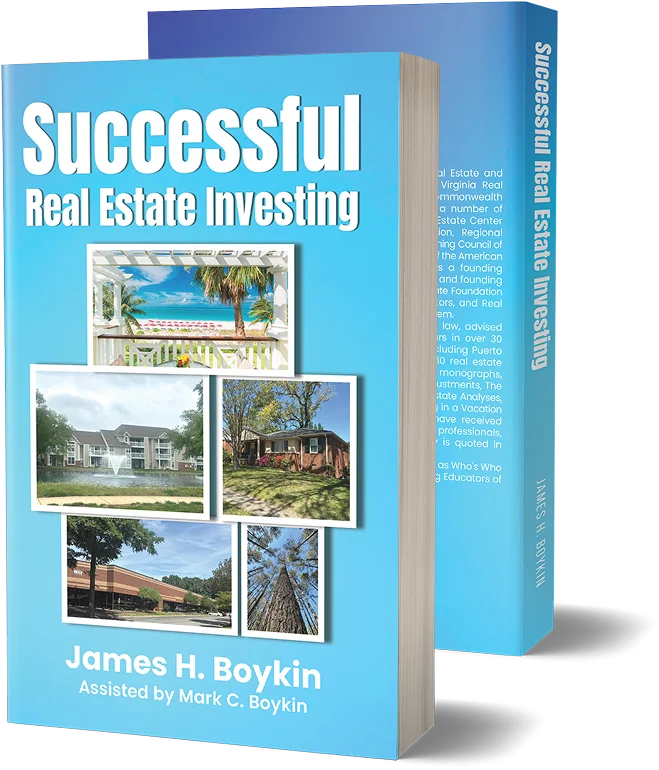
Successful Real Estate Investing by James H. Boykin offers practical guidance on every stage of property ownership, including tenant selection, property management, financing, negotiation, and risk management. The book provides valuable insights for investors who want to strengthen both their properties and the relationships that help those investments succeed.