One of the first decisions many investors face is whether to invest in residential or commercial real estate. Both offer opportunities to build wealth, generate income, and diversify an investment portfolio, but they differ in financing, management, risk, and earning potential. Understanding these differences helps investors choose the type of property that best matches their financial goals, experience, and available resources.
Residential real estate includes single family homes, duplexes, townhouses, condominiums, and apartment buildings with a small number of units. These properties are often the starting point for new investors because they are generally easier to finance, require less capital, and attract a broad pool of tenants. Demand for housing tends to remain steady because people always need a place to live, making residential properties a popular choice for long term investing.
Commercial real estate includes office buildings, retail centers, warehouses, industrial facilities, hotels, and larger apartment complexes. These properties often generate higher rental income and may involve longer lease agreements, providing more predictable revenue when occupied. However, commercial investments usually require larger down payments, more detailed financial analysis, and greater management experience.
Financing is an important consideration when comparing the two. Residential loans are often more accessible for individual investors and may offer lower interest rates and longer repayment terms. Commercial financing is generally based on the property’s income potential as well as the borrower’s financial strength. Lenders may require larger cash reserves and more extensive documentation before approving a commercial loan.
Management responsibilities also differ. Residential properties typically involve more frequent tenant turnover, shorter lease periods, and ongoing maintenance requests. Commercial tenants often sign longer leases and may assume responsibility for certain maintenance or operating expenses, depending on the lease structure. Even so, commercial vacancies can take longer to fill, making tenant retention especially important.
Risk should also be evaluated carefully. Residential properties usually benefit from consistent demand, but rental income can fluctuate with tenant turnover and local housing markets. Commercial properties may produce stronger returns during favorable economic conditions, yet they can also be more sensitive to business cycles. A vacant retail space or office building may remain unoccupied for months, reducing income while operating expenses continue.
Location plays a major role in both types of investment. Residential buyers should focus on neighborhoods with strong employment, good schools, transportation access, and stable housing demand. Commercial investors should evaluate business activity, customer traffic, accessibility, surrounding development, and long term economic growth.
Investors should also consider their personal goals and level of involvement. Those seeking a simpler entry into real estate may find residential properties more manageable. Investors with greater experience, stronger financial resources, and a willingness to analyze more complex transactions may prefer the opportunities offered by commercial real estate.
There is no single investment type that is right for everyone. The best choice depends on financial objectives, available capital, risk tolerance, management ability, and long term strategy. Careful research and realistic planning are more important than following market trends or chasing higher returns.
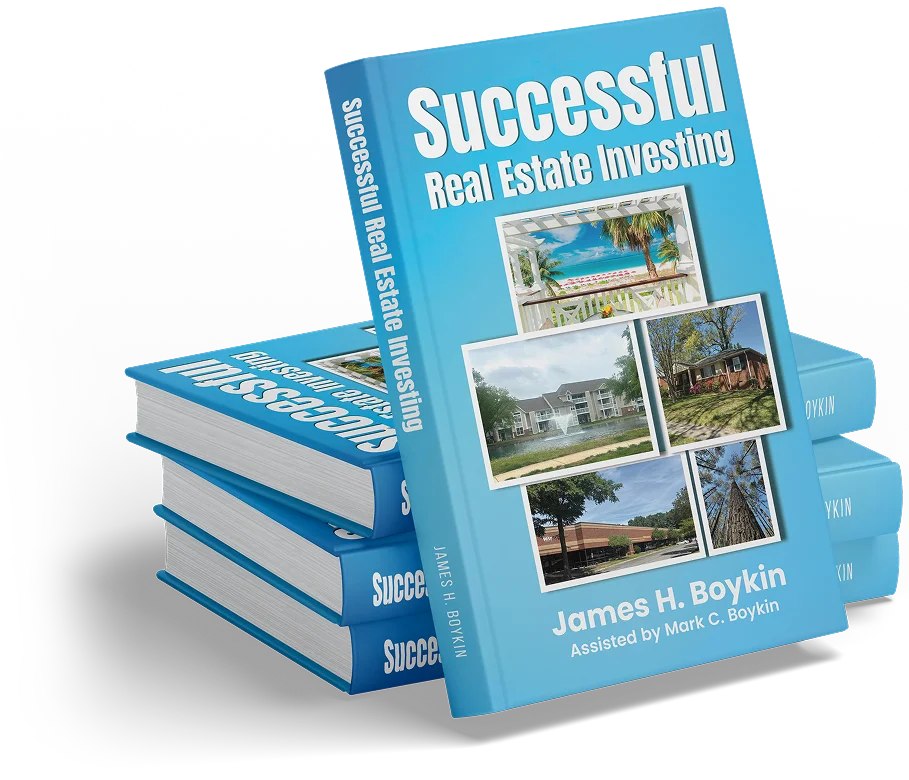
Successful Real Estate Investing by James H. Boykin provides practical guidance on evaluating both residential and commercial opportunities. The book explains how to analyze properties, understand financing, negotiate effectively, manage risk, and make informed investment decisions that support lasting financial success.