Real estate investing often begins with a strong opportunity, but opportunity alone is not enough. An investor also needs capital. A property may have excellent rental potential, a strong location, and promising resale value, yet the purchase cannot move forward unless the buyer can provide the required equity. For many investors, that means looking beyond cash savings and considering how other assets may help fund the purchase.
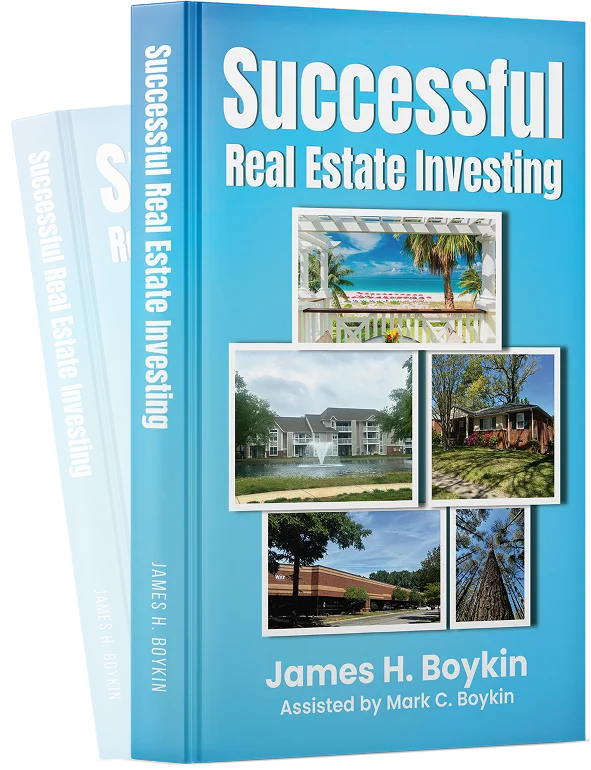
In Successful Real Estate Investing, James H. Boykin explains the importance of raising equity capital carefully. The goal is not simply to find money for the down payment. The goal is to fund the purchase in a way that supports the investment without weakening the investor’s overall financial position. This distinction matters because a poorly funded purchase can create pressure long after closing.
One option is to use securities or other liquid investments as collateral for a line of credit. This may allow an investor to access purchase funds without immediately selling stocks, bonds, or other holdings. It can be useful when those assets are performing well or when selling them would create unwanted tax consequences. However, the investor must remember that borrowed money still carries repayment obligations. The property’s expected income should be strong enough to support the plan.
Another possible method is pledging other real estate as collateral. An investor who owns a property with significant equity may be able to use that value to help acquire another investment. This can be a practical strategy when the new property offers better income potential, stronger appreciation prospects, or easier management. Still, this approach should be measured carefully. Using one asset to support another can create a chain of risk if the new investment underperforms.
A second mortgage or home equity loan may also be considered. This can provide needed funds, especially when the investor has built substantial equity in a primary residence or another property. Yet this choice requires caution. Placing additional debt on a home can increase personal financial exposure. Investors should not risk essential stability for a deal that has not been fully examined.
Selling another asset is another way to raise capital. Sometimes an investor may own a property or investment that no longer fits their goals. Selling it can free funds for a stronger opportunity. However, taxes, timing, transaction costs, and replacement options should all be reviewed before making that decision. In some cases, a tax deferred exchange may help preserve capital for another qualified investment property.
The larger lesson is that every funding choice has consequences. Investors should know how much money they need for the down payment, closing costs, repairs, reserves, and early ownership expenses. They should also ask whether the funding method increases risk beyond a comfortable level.
Successful Real Estate Investing by James H. Boykin is a valuable guide for readers who want to make real estate decisions with discipline. The book helps investors think beyond the purchase price and consider financing, risk, property performance, and long term goals. For anyone planning to use other assets to fund a real estate purchase, this book offers practical direction and a steady reminder that wise investing begins before the deal is signed.