A real estate investment is not shaped by the purchase price alone. The mortgage behind the purchase can have just as much influence on the final return. A property may appear profitable at first, but the wrong loan terms can reduce cash flow, increase pressure, and turn a promising investment into a difficult obligation. This is why investors should study mortgage choices with the same care they give to location, rent, condition, and resale value.
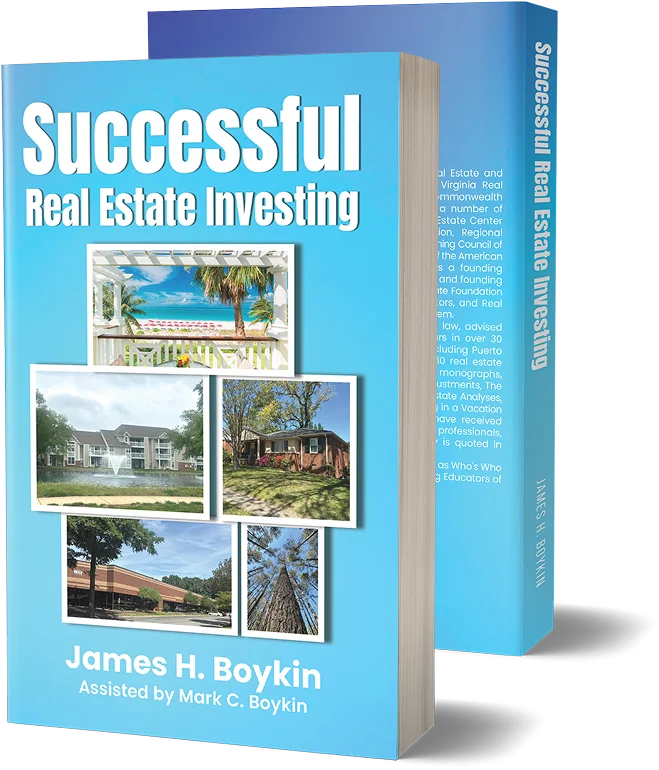
In Successful Real Estate Investing, James H. Boykin guides readers to think beyond the excitement of buying property. He shows that financing decisions can affect every stage of ownership. The size of the down payment, the interest rate, the repayment period, the loan type, and the use of leverage all help determine whether the investment remains stable or becomes financially stressful.
A larger down payment can reduce monthly mortgage payments and may help create safer cash flow. It can also make the investor more comfortable during vacancies or periods of higher expenses. However, using too much cash at the beginning may leave the owner with fewer reserves for repairs, taxes, insurance, or tenant improvements. The right balance depends on the investor’s financial strength and the property’s expected income.
A smaller down payment may allow the investor to keep more cash available, but it usually means higher debt service. This can increase the return on invested equity when the property performs well. Yet it can also magnify losses when rents fall, vacancies rise, or maintenance costs exceed expectations. Leverage can help an investor grow, but too much leverage can create serious risk.
The choice between a fixed rate loan and an adjustable rate loan also matters. A fixed rate mortgage offers predictability. The investor knows the payment and can plan around it. An adjustable rate loan may look attractive at first, especially if the starting rate is lower, but it can become expensive if rates rise. For income producing property, payment certainty can be valuable because it helps protect cash flow.
The loan term is another important decision. A shorter amortization period can help build equity faster, but it usually creates higher monthly payments. A longer repayment period may improve short term cash flow, but the investor builds equity more slowly and pays interest over a longer time. Each option must be measured against the investor’s goals.
Mortgage assumptions, second mortgages, prepayment provisions, and loan restrictions can also affect the deal. Investors should read the terms carefully and understand what could happen if they refinance, sell, or add additional debt.
Successful Real Estate Investing by James H. Boykin is useful because it teaches readers to view financing as part of the investment strategy, not a separate detail. The book encourages practical analysis, cautious borrowing, and clear planning before closing. For anyone preparing to buy property, it offers valuable direction on how mortgage choices can support or weaken long term real estate returns.