Not every commercial property fits neatly into a single category.
Some businesses need offices. Others need warehouse space. Still others need a showroom, storage area, light assembly space or a combination of several functions under one roof.
That is where flex space comes in.
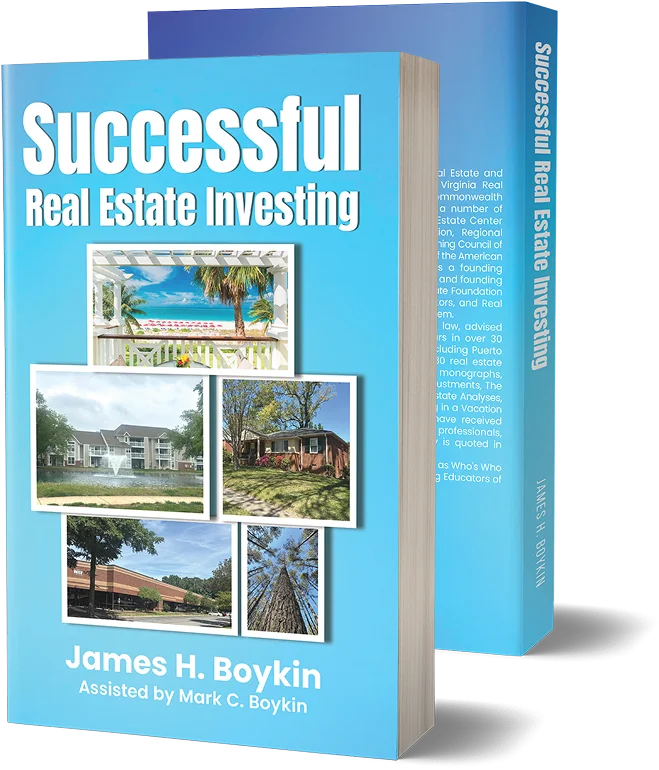
In Successful Real Estate Investing, James H. Boykin explains flex space as a commercial building type that can combine office, warehouse and sometimes retail functions within the same property. A common arrangement places office or display areas in the front and storage, warehouse or assembly space in the rear.
For real estate investors, that adaptability can create several interesting advantages.
Flex Space Can Adapt as a Tenant Grows
One of the biggest strengths of flex space is exactly what the name suggests: flexibility.
Boykin notes that a business may be able to expand its office functions into less expensive warehouse space without relocating the entire operation. That can be particularly useful for companies whose needs change as they grow.
From an investor’s perspective, this matters because moving is expensive and disruptive for tenants.
If a property can adapt to a tenant’s changing needs, the tenant may be more willing to stay longer. A longer relationship can reduce turnover, minimize vacancy periods and potentially support lease extensions at stronger rental rates.
It Can Work Well for Different Types of Businesses
Flex space can serve more than one type of tenant.
Boykin describes these buildings as especially suitable for startup businesses because they can accommodate changing space requirements. They can also work for companies that want customer-facing office or retail functions in front while keeping delivery, storage, fabrication or warehousing activities in the rear.
Having multiple functions in one location may also improve communication and convenience for the tenant.
Instead of operating from separate office and warehouse sites, a business may be able to keep employees, inventory, equipment and customers connected within a single property.
That versatility may broaden the range of prospective tenants an investor can target.
The Building Class Still Matters
Flexibility alone does not automatically make a flex property a strong investment.
Boykin also discusses property classifications. Class A properties generally offer stronger locations, amenities, design, management and maintenance, while Class B properties may be older but can sometimes offer opportunities for thoughtful upgrades. Class C properties may involve more significant disadvantages, including poorer locations, outdated features and greater maintenance requirements.
Investors therefore still need to evaluate location, condition, competitiveness and renovation requirements carefully.
A flexible building in a weak market is not automatically a good investment.
Vacancies Can Become Expensive
Another important consideration is tenant concentration.
Boykin points out that a single-tenant flex building is either fully occupied or completely vacant. If that tenant leaves, the income interruption can be substantial. A heavily customized space may also require expensive refurbishment before another tenant can use it.
That makes tenant retention especially important.
Investors should think carefully about lease structure, tenant quality, property adaptability, operating expenses and how easily the building could be re-leased if current occupants leave.
Flexibility Can Be an Investment Advantage
Successful Real Estate Investing by James H. Boykin encourages readers to look beyond traditional residential property and understand the opportunities and risks across multiple real estate categories.
Flex space is a good example. Its adaptable design can make it attractive to growing companies, startups, retailers, office users and businesses that need warehousing under the same roof.
For investors, the opportunity lies in finding a property whose flexibility matches real market demand.
Discover more insights into flex space, apartments, passive investing, vacation homes, timberland, financing, leasing and other real estate strategies in Successful Real Estate Investing by James H. Boykin.
Read the book on Amazon: https://a.co/d/0gjvN7zf